
GLP-1 medications ranked by price in 2026
GLP-1 medications ranked by price in 2026: compounded Semaglutide and Tirzepatide lead the lowest tier. Compare six options by cost tier and coverage.
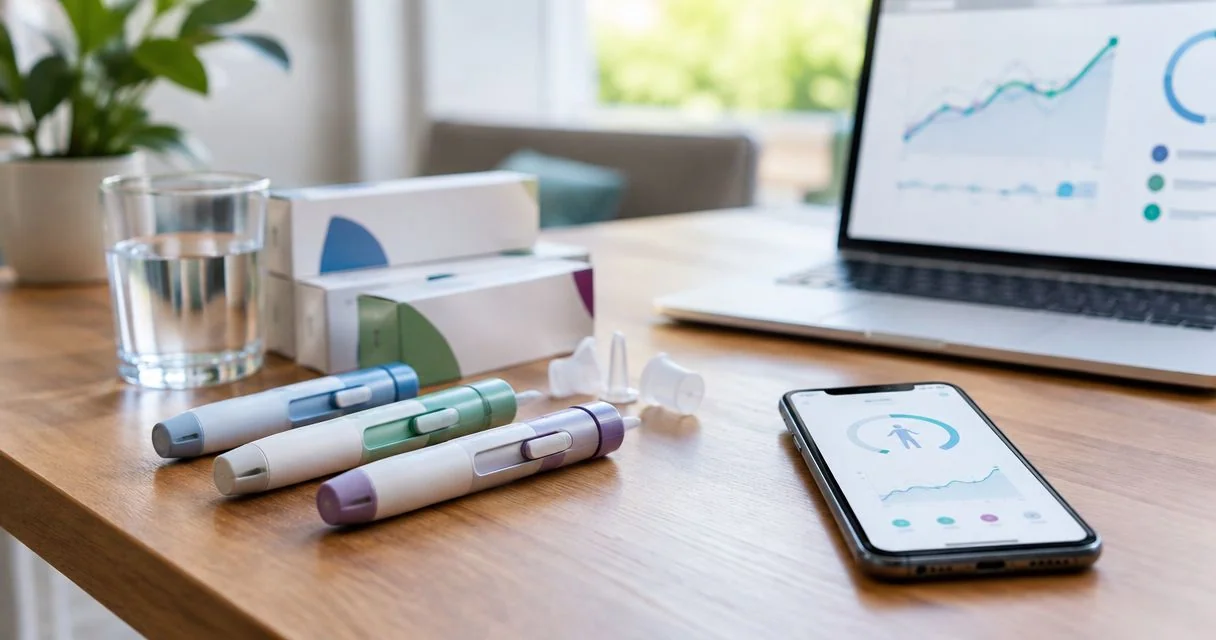
GLP-1 medications ranked by price in 2026 split into three real cost tiers, and the split has almost nothing to do with the drug name on the label. Compounded semaglutide and compounded tirzepatide sit at the bottom of the price ladder, brand-name GLP-1s without insurance sit at the top, and everything in between depends on whether your plan approves the prescription for weight loss. This guide ranks six GLP-1 options by where they actually land on that ladder in 2026.
- Compounded Semaglutide and compounded Tirzepatide occupy the lowest GLP-1 medications price tier in 2026.
- Brand-name Wegovy, Ozempic, Mounjaro, and Zepbound sit at the top of the price ladder without insurance approval.
- Rybelsus needs a 7mg-14mg oral dose because pills absorb semaglutide poorly, which pushes it into a higher tier despite being needle-free.
- VevaRX prescribes compounded Semaglutide and Tirzepatide through telehealth for the lower-tier pricing category.
- Insurance formulary approval, not the active ingredient, decides where a brand-name GLP-1 lands on this ranking.
Why this matters
Most people searching for GLP-1 medications ranked by price expect one simple list. The reality is messier: the same active ingredient (semaglutide) can sit in the cheapest tier or the priciest tier depending on whether it comes from a compounding pharmacy or a manufacturer, and whether your insurer treats weight loss as a covered indication. A side-by-side weight loss injections comparison makes the differences between formulations clearer before you commit to a plan.
The compounding question matters more in 2026 than it did a few years ago, since manufacturer shortages of Wegovy, Zepbound, and Mounjaro have pushed more patients toward 503A and 503B compounding pharmacies that prepare semaglutide and tirzepatide to order. That shift is exactly why compounded options now anchor the low end of this ranking.
What determines a GLP-1 medication's price tier
- Pharmacy sourcing — manufacturer brand-name product versus an FDA-registered 503A/503B compounding pharmacy
- Dosing frequency and format — weekly injection, daily injection, or daily oral pill
- Insurance formulary status — approved for diabetes, approved for weight loss, or self-pay only
- Bundled medical supervision — whether physician visits, dose titration, and lab review are included or billed separately
- Supply reliability — brand-name GLP-1s have faced recurring manufacturer shortages since 2022
- Commitment length — most GLP-1 plans run on 3-month or ongoing subscription cycles, not one-time purchases
At a glance: GLP-1 medications ranked by price tier
| Medication | Best For | Price Tier | Key Limitation |
|---|---|---|---|
| Compounded Semaglutide | Self-pay patients starting GLP-1 therapy | Lowest | Not FDA-approved as a standalone finished product |
| Compounded Tirzepatide | Patients wanting dual GIP/GLP-1 action without brand pricing | Low-Mid | Same compounding oversight requirement as compounded semaglutide |
| Brand-name Semaglutide (Ozempic/Wegovy) | Patients with insurance formulary coverage | Mid-High | Weight-loss coverage often needs prior authorization |
| Brand-name Tirzepatide (Mounjaro/Zepbound) | Patients whose plan covers Zepbound or Mounjaro specifically | High | Frequent manufacturer shortages since 2022 |
| Oral Semaglutide (Rybelsus) | Needle-averse patients | High | Needs a far higher milligram dose than injectable semaglutide |
| Liraglutide (Saxenda) | Patients who prefer daily over weekly dosing | Mid | Daily injection burden; older mechanism, generally less potent |
1. Compounded Semaglutide: best GLP-1 medication for the lowest price tier
Compounded semaglutide is the same GLP-1 receptor agonist found in Ozempic and Wegovy, prepared to order by a licensed 503A or 503B compounding pharmacy instead of purchased as a finished manufacturer product. It's dispensed through telehealth platforms after a provider reviews your history and approves a dose. VevaRX prescribes compounded Semaglutide through this exact model for patients paying out of pocket.
Compounded Semaglutide pros:
- Sits at the lowest GLP-1 medications price tier in 2026
- Not tied to Novo Nordisk's manufacturer supply chain, so shortages hit it less often
- Dose titration can be adjusted closely with a prescribing provider
Compounded Semaglutide cons:
- Not FDA-approved as a finished product; quality depends entirely on the compounding pharmacy's accreditation
- Some states restrict or regulate compounded GLP-1 sales more tightly than others
Best for: patients starting GLP-1 therapy without insurance coverage for weight loss. Verdict: Buy — for self-pay patients who want the lower entry tier, provided the pharmacy is properly licensed.
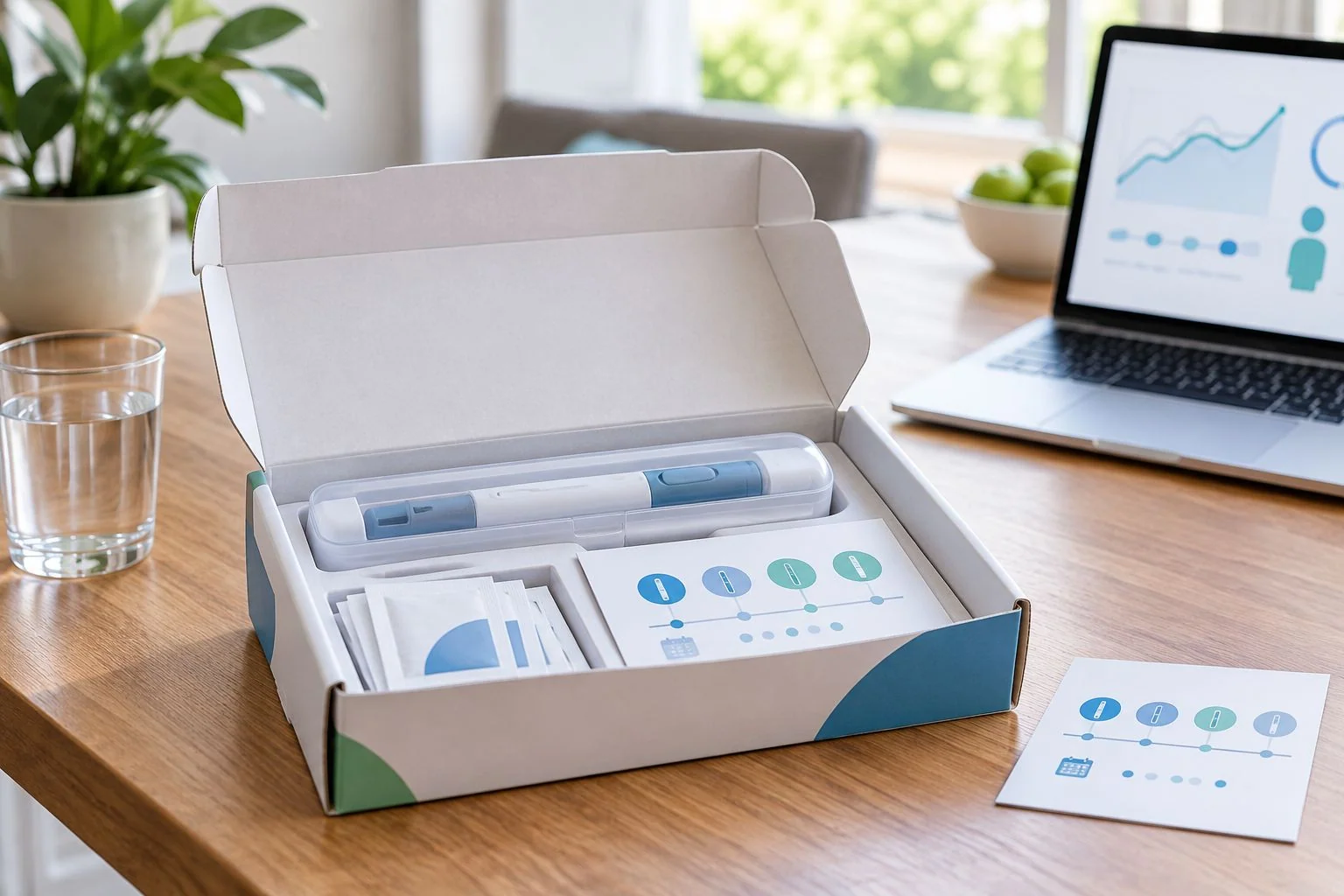
2. Compounded Tirzepatide: best GLP-1 medication for dual-action therapy at a lower tier
Compounded tirzepatide delivers the same dual GIP/GLP-1 receptor mechanism found in Mounjaro and Zepbound, prepared by a compounding pharmacy rather than purchased as the branded product. It's dosed weekly, same as the injectable brand-name version, and prescribed after a telehealth intake. VevaRX offers compounded Tirzepatide alongside compounded Semaglutide for patients who want the stronger dual-mechanism option without the brand-name price tier.
Compounded Tirzepatide pros:
- Lower price tier than brand-name Zepbound or Mounjaro
- Dual GIP/GLP-1 mechanism, generally associated with stronger average results than semaglutide alone
- Weekly dosing schedule, same convenience as the brand-name version
Compounded Tirzepatide cons:
- Carries the same compounding oversight caveat as compounded semaglutide
- Newer to the market than compounded semaglutide, so fewer pharmacies have scaled production
Best for: patients who want tirzepatide's dual mechanism without paying full brand-name rates. Verdict: Buy — the lower tier makes sense if you've confirmed the pharmacy is licensed and physician-supervised.
3. Brand-name Semaglutide (Ozempic/Wegovy): best GLP-1 for insurance-covered patients
Ozempic was FDA-approved in 2017 for type 2 diabetes; Wegovy followed in 2021, approved specifically for chronic weight management, both built on the same active ingredient at different maximum doses (Ozempic tops out near 2mg weekly, Wegovy near 2.4mg weekly). A full online semaglutide providers comparison breaks down how different telehealth platforms handle brand-name prescribing.
Brand-name Semaglutide pros:
- Manufacturer quality control and long-established safety data going back to 2017
- Insurance or manufacturer savings programs can lower the effective price tier when approved
- Widely recognized by pharmacies and providers nationwide
Brand-name Semaglutide cons:
- Sits in the mid-to-high price tier without insurance approval
- Weight-loss coverage specifically often requires prior authorization, unlike diabetes coverage for Ozempic
- Recurring supply shortages have affected both Ozempic and Wegovy since 2022
Best for: patients whose insurance plan already covers Ozempic or Wegovy for weight management. Verdict: Hold — confirm formulary approval first, since the price tier hinges entirely on that approval.
4. Brand-name Tirzepatide (Mounjaro/Zepbound): best GLP-1 for covered dual-action therapy
Tirzepatide launched as Mounjaro in 2022 for type 2 diabetes, then as Zepbound in 2023 for chronic weight management, with a maximum approved dose of 15mg weekly for either indication. It's the newest major GLP-1/GIP option and generally the priciest tier without insurance backing it.
Brand-name Tirzepatide pros:
- Dual GIP/GLP-1 mechanism associated with strong average weight-loss results in published trials
- Manufacturer savings programs sometimes offset the price tier for eligible patients
- Fully FDA-approved, with manufacturer-controlled quality standards
Brand-name Tirzepatide cons:
- Highest price tier on this list without insurance coverage
- Shortages have been frequent since Zepbound's 2023 approval
- Prior authorization is common even for patients with otherwise strong coverage
Best for: patients with a health plan that specifically covers Zepbound or Mounjaro. Verdict: Hold — check your plan's formulary before assuming this tier applies to you.
5. Oral Semaglutide (Rybelsus): best GLP-1 for needle-averse patients
Rybelsus uses the same active ingredient as Ozempic and Wegovy but as a daily pill, FDA-approved in 2019. Because oral semaglutide absorbs poorly through the gut, the approved dose range runs from 7mg to 14mg daily — dramatically higher than the 0.25mg to 2.4mg weekly range used in injectable formulations.
Oral Semaglutide pros:
- No injections required, ever
- Same manufacturer quality standards as the injectable brand-name versions
- Established since 2019 with a solid safety track record
Oral Semaglutide cons:
- Sits in a higher price tier than injectable options despite the pill format
- Must be taken fasting with minimal water for absorption to work at all
- Generally associated with less weight loss than weekly injectable semaglutide or tirzepatide
Best for: patients who will not tolerate injections under any circumstance. Verdict: Wait — the dosing hassle and higher price tier make injectable compounded options the better first move for most patients.
6. Liraglutide (Saxenda): best GLP-1 for daily dosing preference
Saxenda was FDA-approved in 2014, making it one of the earliest GLP-1 receptor agonists specifically approved for weight management, dosed once daily up to a maximum of 3.0mg. It predates the weekly semaglutide and tirzepatide options by several years.
Liraglutide pros:
- Longest real-world track record of any GLP-1 on this list
- Daily dosing gives finer day-to-day control for some patients
- Well-understood side effect profile after a decade of use
Liraglutide cons:
- Daily injections instead of weekly, which most patients find less convenient
- Generally produces less weight loss than weekly semaglutide or tirzepatide
- Mid-tier pricing without matching the results of newer options
Best for: patients who specifically want a once-daily option or don't respond well to weekly high-dose GLP-1s. Verdict: Skip unless daily dosing is a hard requirement — weekly options generally deliver more value per price tier in 2026.
“The cheapest GLP-1 on paper is worthless if it's not dispensed by a licensed pharmacy under physician supervision.”
How this ranking was built
Each medication was placed by three factors: whether it comes from a compounding pharmacy or a manufacturer, whether insurance realistically covers it for weight loss versus diabetes, and how dosing frequency and format (weekly injection, daily injection, or daily pill) affect the total commitment. Compounded options rank lowest because they bypass manufacturer supply-chain pricing. Brand-name injectables rank highest without insurance because that's where list pricing and shortages collide.
See which GLP-1 fits your budget
Get matched with a licensed provider for Semaglutide or Tirzepatide.
Which GLP-1 medication should you choose in 2026?
For most self-pay patients, compounded Semaglutide through a telehealth provider is the default pick for the lowest price tier in 2026. Patients who want tirzepatide's dual mechanism without the brand-name premium should look at compounded Tirzepatide next. If your insurance already covers Ozempic, Wegovy, Mounjaro, or Zepbound for weight loss, that coverage — not the drug itself — is what determines whether brand-name makes financial sense for you.
FAQ
What is the cheapest GLP-1 medication in 2026?
Compounded Semaglutide sits at the lowest GLP-1 medications price tier in 2026 because it's prepared by a compounding pharmacy instead of purchased as a manufacturer brand-name product. Compounded Tirzepatide is the next tier up for patients wanting the dual GIP/GLP-1 mechanism.
Is compounded semaglutide as effective as Wegovy or Ozempic?
Compounded semaglutide uses the same active ingredient as Wegovy and Ozempic, prepared under a prescription by a licensed 503A or 503B pharmacy. Effectiveness depends on accurate dosing and pharmacy quality, which is why choosing a licensed, physician-supervised source matters.
Does insurance cover Zepbound or Mounjaro for weight loss?
Coverage varies by plan and often requires prior authorization even when the plan technically covers tirzepatide. Diabetes coverage for Mounjaro is generally more consistent than weight-loss coverage for Zepbound.
Why is Rybelsus more expensive than injectable semaglutide?
Rybelsus needs a 7mg-14mg daily oral dose because pills absorb semaglutide poorly through the gut, compared to a 0.25mg-2.4mg weekly injectable dose range. That higher manufacturing and dosing requirement puts oral semaglutide in a higher price tier despite the needle-free format.
What's the difference between Ozempic and Wegovy?
Both use the same active ingredient, semaglutide, but Ozempic is FDA-approved for type 2 diabetes (approved 2017) while Wegovy is approved specifically for chronic weight management (approved 2021) at a slightly higher maximum dose.
Can I switch from brand-name to compounded semaglutide?
Switching is a decision to make with a prescribing provider, since dose equivalence and pharmacy sourcing both need review. A telehealth intake typically covers this comparison before a new prescription is issued.
How long do most patients stay on a GLP-1 medication?
GLP-1 plans are generally structured as ongoing or 3-month subscription cycles rather than short courses, since weight regain is common after stopping. Your prescribing provider sets the actual timeline based on your response.
One last thing
The detail most people miss when comparing GLP-1 medications ranked by price: Rybelsus needs a dose roughly 6 to 50 times higher in milligrams than injectable semaglutide just to work, because the gut destroys most of an oral dose before it absorbs. That's the real reason the "convenient pill" option lands in a higher price tier than the weekly injection it's supposed to replace — the math is baked into the dosing, not the marketing.
Related guides
This article is for informational purposes only and is not medical advice. Compounded medications are not approved by the FDA and have not been reviewed for safety, effectiveness, or quality. Prescription products require an online consultation with a licensed healthcare provider who will determine if a prescription is appropriate. Individual results vary.