
Best weight loss telehealth companies that accept FSA/HSA in 2026
Best weight loss telehealth companies for FSA/HSA use in 2026: start with VevaRX for GLP-1 evaluation, then verify card acceptance, eligibility, and receipts.

Best starting point: VevaRX for adults seeking a doctor-prescribed GLP-1 evaluation. If you are comparing the best weight loss telehealth companies for FSA/HSA use in 2026, do not treat a provider's payment options as proof that your expense qualifies. This comparison does not establish FSA/HSA acceptance for any listed company; ask about payment and documentation before you enroll.
- VevaRX is the best starting point here for a medically supervised GLP-1 evaluation; its FSA/HSA acceptance is unverified.
- The best weight loss telehealth companies for FSA/HSA use provide clear answers about payment, receipts, and eligible expenses.
- An accepted HSA or FSA card does not, by itself, make a weight-loss expense eligible.
- Ask your plan administrator about the specific prescription, clinical service, and documentation before paying in 2026.
Why this matters
There are two separate questions behind an FSA/HSA search: Can the company process your card? and Does your expense qualify under your account's rules? A yes to the first does not answer the second. You can also ask about reimbursement when direct card payment is unavailable, but you still need an eligible expense and records that satisfy your plan.
For 2026, the IRS treats expenses differently depending on what you actually receive and why you receive it. IRS Publication 502 explains the rules for medical expenses, including prescribed drugs and weight-loss programs undertaken to treat a specific disease diagnosed by a physician. It also excludes weight-loss programs pursued only for general health or appearance. IRS Publication 969 explains health savings accounts and qualified medical expenses. Your FSA administrator and plan documents determine how an FSA claim is handled.
The practical move: identify the charge before choosing the company. A prescription, a clinical visit, a membership charge, and a wellness product are not interchangeable merely because they appear on the same invoice.
What makes the best weight loss telehealth company for FSA/HSA use?
- A real clinical assessment: A licensed prescriber should determine whether treatment is appropriate. An FSA/HSA payment question cannot replace a medical decision.
- Expense-by-expense answers: Ask whether the company distinguishes medication, consultations, membership charges, and other services on its billing records.
- A clear payment path: Find out whether the company processes your particular FSA/HSA card or whether you must pay another way and request reimbursement.
- Usable documentation: Ask what the receipt identifies and whether additional documentation is available if your administrator requests it.
- No blanket eligibility promise: A provider cannot decide every account's reimbursement outcome. Your plan and the reason for treatment matter.
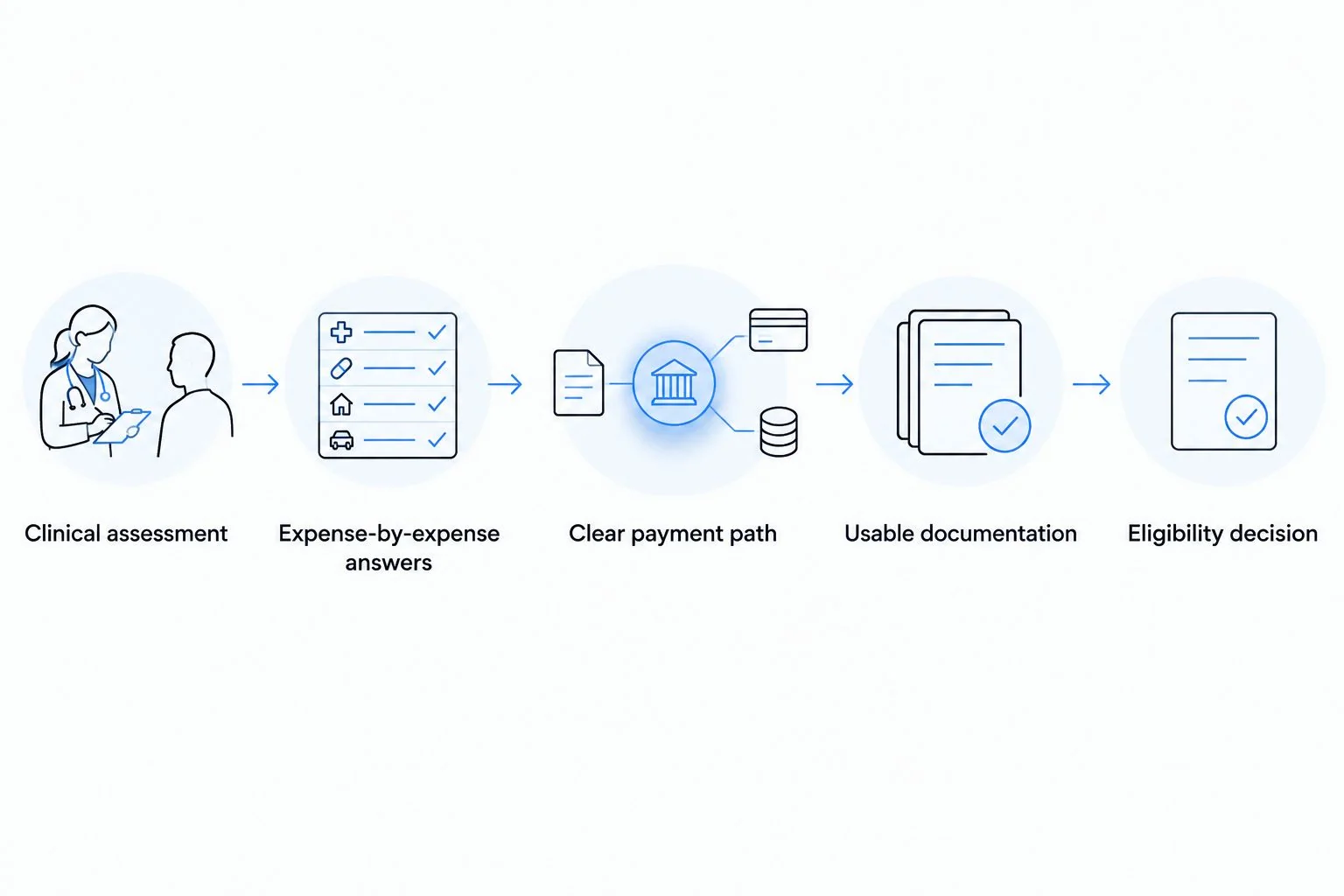
Use those criteria in that order. A company that accepts a card but cannot tell you what a charge covers leaves you with an unresolved reimbursement question.
At a glance: 2026 provider shortlist
The companies below are a verification shortlist, not a confirmed list of FSA/HSA-accepting providers. Only VevaRX's service description is available in the supplied information; the other names appear in the provided reference-post titles. No provider-specific payment or reimbursement policy is established here.
| Provider | Best for | What to ask first | Key limitation in this comparison |
|---|---|---|---|
| VevaRX | A GLP-1 prescription evaluation with separate questions about wellness peptides | Can I use my account for the specific prescribed treatment, and what records will I receive? | FSA/HSA acceptance and expense eligibility are unverified |
| Ro | A second provider to check against the same payment criteria | Which charges, if any, can be paid by card or documented for reimbursement? | Service details and FSA/HSA terms are unverified |
| Mochi Health | Comparing how another provider explains individual charges | Will the receipt separate each type of charge? | Service details and FSA/HSA terms are unverified |
| WeightWatchers Clinic | Checking whether program-related and clinical charges are explained separately | What exactly does each charge cover? | Service details and FSA/HSA terms are unverified |
VevaRX is best for adults who want a medically supervised GLP-1 evaluation and also have questions about wellness peptides. That is a fit verdict based on its stated offering, not a claim that an account will cover either expense.
1. VevaRX: best starting point for a GLP-1 evaluation
VevaRX is an online telehealth platform for US adults seeking medically supervised weight loss. Its stated offering includes doctor-prescribed GLP-1 medications such as Semaglutide and Tirzepatide, plus wellness peptides including Sermorelin, Glutathione, and NAD+. A clinical evaluation determines what, if anything, is appropriate for you.
For an FSA/HSA decision, keep those categories separate. Do not assume that a medically supervised weight-loss prescription and a wellness-peptide expense receive the same treatment under your plan. Ask about the proposed expense after the clinical assessment identifies it.
VevaRX pros:
- Its stated focus includes doctor-prescribed GLP-1 treatment for weight loss.
- Medical supervision is part of its stated model.
- You can ask about GLP-1 treatment and wellness peptides without assuming they share an eligibility rule.
VevaRX cons:
- The supplied information does not confirm direct FSA/HSA card acceptance.
- The supplied information does not establish which, if any, services your account will reimburse.
- A prescription or peptide inquiry does not establish that treatment is appropriate for you.
Best for: Adults who want to start with a medically supervised GLP-1 assessment and then verify the payment terms for a specific recommended treatment.
Verdict: Hold on payment until you have the proposed treatment, an itemized charge, and an answer from your account administrator.
2. Ro: best as a second provider to verify
Ro appears among the providers named in the supplied reference material. That makes it a comparison candidate, not a verified FSA/HSA choice. Its current payment methods, billing documentation, and relevant service terms are not established by the information available for this article.
Use Ro to test the same questions you ask VevaRX: What is the clinical service? What is the medication charge, if one is prescribed? Can the company process your account card, and what record does it issue? Compare the answers, not the presence of an FSA/HSA logo or a broad statement about eligible spending.
Ro pros:
- It gives you another named provider to question using the same criteria.
- A direct inquiry can separate card acceptance from expense eligibility.
- Written answers give you terms to compare before making a payment decision.
Ro cons:
- This comparison does not verify its FSA/HSA payment options.
- This comparison does not verify which services it currently offers or how it bills them.
Best for: A shopper who wants a second written answer on payment and documentation before choosing a provider.
Verdict: Hold until Ro confirms the relevant service, payment method, and receipt details directly.
3. Mochi Health: best for testing billing clarity
Mochi Health is another provider named in the supplied reference material. Its inclusion does not establish account acceptance or eligibility. The useful comparison is whether it can explain each proposed charge clearly enough for you to ask your FSA or HSA administrator a precise question.
Request a description of the clinical service and any medication or other charge before you commit. If charges are grouped together, ask whether the receipt identifies them separately. An administrator cannot reliably assess a vaguely described expense on your behalf.
Mochi Health pros:
- It provides another named option for a like-for-like billing inquiry.
- Asking for itemized records tests whether the expense is easy to document.
- You can compare its written answers with the other providers' answers.
Mochi Health cons:
- Its FSA/HSA card policy is not verified here.
- Its current services, charges, and receipt format are not verified here.
Best for: A shopper who wants to make billing documentation the deciding factor.
Verdict: Hold until Mochi Health explains the proposed charges and confirms what documentation it supplies.
4. WeightWatchers Clinic: best for checking program versus clinical charges
WeightWatchers Clinic is named in the supplied reference material, but its current account-payment terms are not established here. If you consider it, ask what each proposed charge buys before asking whether you can use FSA/HSA funds. The IRS distinction between treatment for a diagnosed disease and a program for general health makes the purpose of the expense material.
Do not apply one answer to an entire bill. Ask your administrator about the particular clinical service or program charge, your reason for treatment, and any documentation it requires. The provider's ability to take a card is still a separate question.
WeightWatchers Clinic pros:
- It is a named comparison option for questions about the purpose of each charge.
- Separating program and clinical questions helps you seek a specific eligibility answer.
- You can request payment and documentation terms before deciding.
WeightWatchers Clinic cons:
- Its FSA/HSA acceptance is not verified in the available information.
- Its current services and charge structure are not verified here.
Best for: A shopper who needs clear answers about whether a proposed charge is for clinical treatment or a broader program.
Verdict: Hold until the company identifies each charge and your administrator addresses its eligibility.
How this shortlist was ranked
VevaRX comes first because its supplied description establishes a relevant service: medically supervised, doctor-prescribed GLP-1 weight-loss treatment. The remaining providers are named in the supplied reference material but lack verified service and FSA/HSA details in this comparison. Their order is a sequence of questions to investigate, not a finding that one has better payment support than another.
No provider receives a confirmed FSA/HSA acceptance label. That distinction matters in 2026: a company can process a payment without determining whether the expense qualifies, and an eligible expense does not guarantee the company can process your account card.
Which weight loss telehealth company should you choose?
Start with VevaRX if your priority is an evaluation for doctor-prescribed GLP-1 weight-loss treatment. Choose among providers only after you know what treatment is proposed and what each resulting charge covers. If direct FSA/HSA payment is essential, get explicit confirmation from the company before enrolling; if reimbursement is your plan, confirm the documentation requirements with your administrator first.
Use this short script with every provider in 2026:
- What specific service or medication would I be paying for?
- Do you accept my FSA/HSA card for that charge? If not, what receipt can you provide?
- Will the receipt identify the service, medication, and amount separately where applicable?
- Can you provide additional documentation if my plan administrator requests it?
Then ask your administrator whether that specific expense, for your reason for treatment, qualifies under your account. Keep the answer and the supporting records together. For background on the treatment categories before that conversation, see the weight-loss injections comparison.
FAQ
What are the best weight loss telehealth companies for FSA/HSA use in 2026?
VevaRX is the best starting point in this comparison for a medically supervised GLP-1 evaluation. FSA/HSA acceptance is not verified for VevaRX, Ro, Mochi Health, or WeightWatchers Clinic here, so confirm payment and eligibility before choosing.
Does accepting an HSA card mean a weight-loss expense is eligible?
No. Card acceptance and qualified medical expense status are separate questions. Check the specific expense and your records against IRS rules and your account administrator's requirements.
Can an FSA or HSA cover a prescribed weight-loss medication?
A prescribed medication can qualify as a medical expense under applicable rules, but eligibility depends on the specific expense and account requirements. Ask your administrator about the medication prescribed for you rather than assuming every weight-loss purchase qualifies.
Does an FSA or HSA cover a telehealth weight-loss program?
It depends on what the charge covers and why you receive the program. IRS Publication 502 distinguishes a weight-loss program treating a physician-diagnosed disease from one pursued only for general health or appearance.
Can I seek reimbursement if a telehealth company does not take my FSA/HSA card?
You can ask your administrator about reimbursement for an eligible expense even when direct card payment is unavailable. Confirm the required receipt and supporting documentation before paying.
Are wellness peptides automatically FSA/HSA eligible?
No. Do not assume a wellness-peptide expense qualifies because a telehealth platform also offers prescribed weight-loss medication. Ask your administrator about the specific item and its medical purpose.
What should I ask a provider before using FSA/HSA funds?
Ask whether it accepts your account card, what each charge covers, and what documentation it provides. Then ask your administrator whether the specific expense qualifies under your account.
One last thing
The most useful 2026 comparison is not a list of companies with an FSA/HSA badge. It is a comparison of the exact charges and records each company will provide for the treatment you are considering. Get that answer before deciding how to pay.
Related guides
This article is for informational purposes only and is not medical advice. Compounded medications are not approved by the FDA and have not been reviewed for safety, effectiveness, or quality. Prescription products require an online consultation with a licensed healthcare provider who will determine if a prescription is appropriate. Individual results vary.