
Can you drink alcohol while taking semaglutide?
Can you drink alcohol while taking semaglutide? Sometimes, but symptoms and other medicines matter. Learn when to skip alcohol and what to ask your doctor.
Yes, some people can drink alcohol while taking semaglutide, but the medication does not make drinking safe for everyone. Alcohol is not listed as a specific drug interaction in FDA-approved semaglutide prescribing information; the concerns in 2026 are overlapping stomach symptoms, dehydration, low blood sugar in susceptible people, and your medical history.
- Can you drink alcohol while taking semaglutide? Sometimes, but your symptoms, diabetes medicines, and medical history determine the answer.
- Skip alcohol when semaglutide causes nausea, vomiting, or difficulty eating and drinking.
- Insulin and sulfonylureas make alcohol-related low blood sugar a more important concern.
- VevaRX offers medically supervised GLP-1 weight loss for US adults; discuss alcohol use with your prescriber.
Can you drink alcohol while taking semaglutide?
Semaglutide treatment does not automatically require complete alcohol avoidance, but there is no universal safe drinking allowance for everyone taking it. FDA-approved prescribing information describes gastrointestinal side effects, pancreatitis warnings, and increased hypoglycemia risk when semaglutide is combined with insulin or insulin secretagogues. Those issues matter more than whether alcohol appears on an interaction list.
Use this comparison to decide what to discuss with your clinician. It is a safety framework, not permission to drink.
| Your situation | Main concern | Practical next step |
|---|---|---|
| You feel well and eat normally | Alcohol still carries its own health risks | Ask whether your history or other medicines require avoidance |
| You have nausea, vomiting, or diarrhea | Worse symptoms and fluid loss | Skip alcohol and address symptoms |
| You use insulin or a sulfonylurea | Low blood sugar, including delayed episodes | Get an individualized glucose-monitoring and drinking plan |
| You have a history of pancreatitis or heavy drinking | Pancreatic risk needs medical review | Discuss alcohol avoidance with your clinician |
| You have severe, persistent abdominal pain | A potentially serious condition | Seek urgent evaluation rather than testing whether alcohol is tolerable |
Why this matters
A drink that felt manageable before treatment deserves a fresh assessment when you are eating less or dealing with medication side effects. Alcohol supplies calories without replacing a meal, and intoxication makes it harder to recognize symptoms or follow a treatment plan. Your tolerance is not a reliable measure of medical safety.
VevaRX is a telehealth option for US adults seeking medically supervised GLP-1 weight loss. If you are considering VevaRX, include your drinking pattern in the medical discussion rather than treating it as a separate lifestyle detail. A useful alcohol conversation covers your medicines, symptoms, meals, and relevant health history—not just your preferred beverage.
Why alcohol risk varies during semaglutide treatment
The practical answer in 2026 depends on these factors:
- Current stomach symptoms. Semaglutide commonly causes nausea, vomiting, diarrhea, constipation, and abdominal discomfort. Alcohol can aggravate gastrointestinal symptoms; avoid adding it when you already feel unwell.
- Food intake. Semaglutide reduces appetite. Drinking after skipping meals creates a different situation from drinking after eating normally, especially when diabetes medicines are involved.
- Other medicines. Insulin and sulfonylureas increase hypoglycemia risk. Alcohol interferes with the liver's ability to release glucose, making the combination more concerning.
- Fluid loss. Vomiting and diarrhea can cause dehydration. Adding alcohol while you are struggling to maintain fluid intake works against recovery.
- Medical history and drinking pattern. Previous pancreatitis, liver disease, alcohol use disorder, and heavy drinking require individualized advice. A general interaction answer does not cover those situations.
These factors overlap. Someone who uses insulin, skips dinner, and drinks while nauseated needs more caution than someone without those risk factors. Tell your clinician about the combination, not just each issue in isolation.
How much alcohol counts as one drink?
In the United States, the National Institute on Alcohol Abuse and Alcoholism defines a standard drink as approximately 14 grams of pure alcohol. That measure describes alcohol content; it is not a recommended allowance for someone taking semaglutide.
| Beverage | Amount containing approximately one standard drink | Alcohol concentration |
|---|---|---|
| Regular beer | 12 fluid ounces | 5% alcohol by volume |
| Wine | 5 fluid ounces | 12% alcohol by volume |
| Distilled spirits | 1.5 fluid ounces | 40% alcohol by volume |
A large wine pour, strong beer, or cocktail with multiple measures of spirits contains more alcohol than its container suggests. Counting glasses alone misses that difference. Check serving size and alcohol concentration before describing your intake to a clinician.
Use standard drinks to report what you consume, not to calculate a guaranteed safe dose. Neither these serving sizes nor a previous symptom-free evening establishes that drinking is appropriate during your current treatment.
What should you check before drinking on semaglutide?
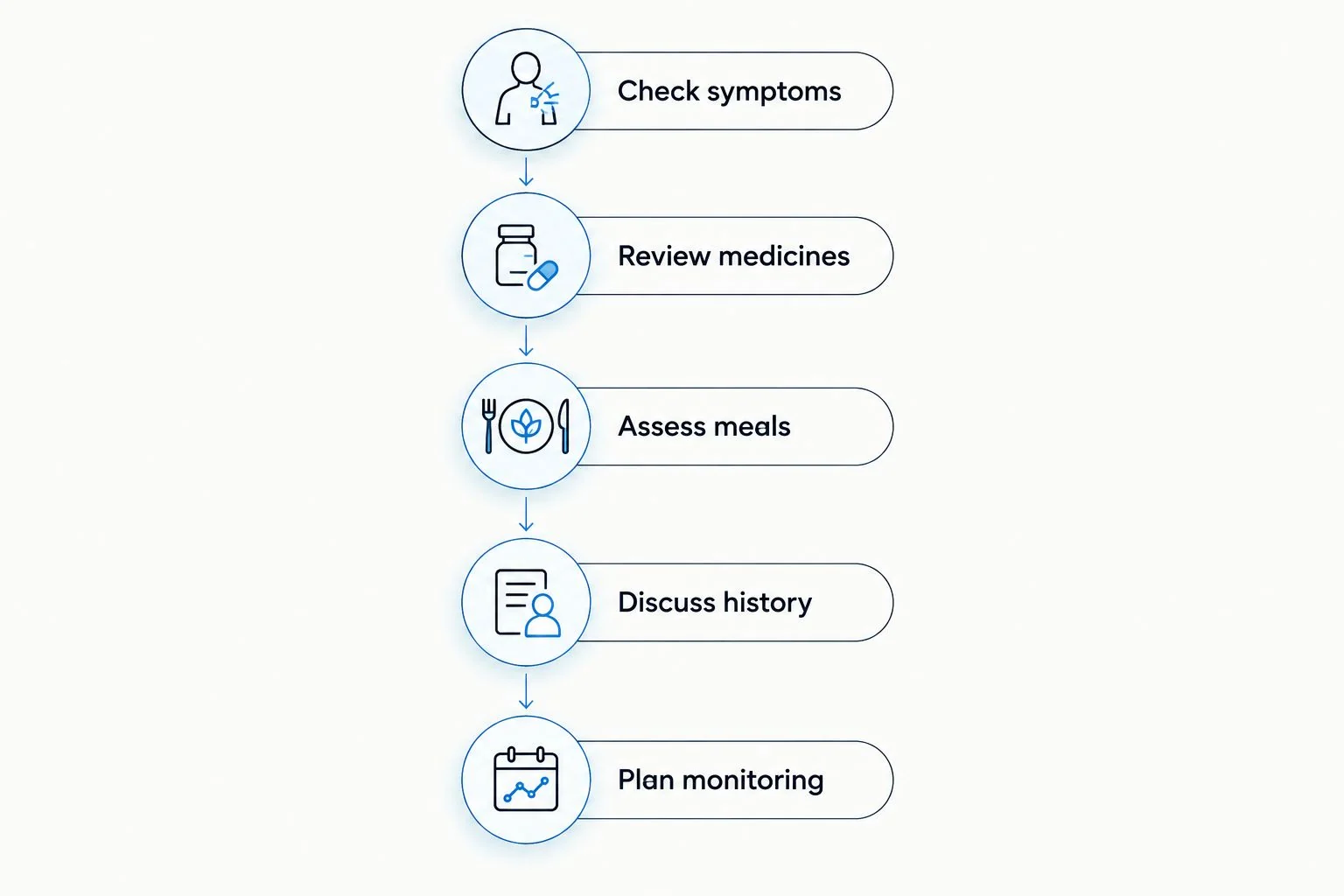
For your 2026 treatment plan, use this sequence before deciding whether to drink. The goal is to identify reasons to avoid alcohol—not to find a workaround for them.
- Check symptoms. Skip alcohol if you have nausea, vomiting, diarrhea, significant abdominal discomfort, or trouble keeping fluids down. Feeling better is more important than keeping a social plan.
- Review medicines. Tell your prescriber about insulin, sulfonylureas, and any other medicine with an alcohol warning. Ask whether your glucose plan needs extra precautions.
- Assess meals. Do not substitute alcohol for food. If reduced appetite makes regular meals difficult, address that with your clinician before adding drinking to the picture.
- Discuss history. Mention pancreatitis, liver problems, heavy drinking, and previous episodes of low blood sugar. These details change the recommendation.
- Plan monitoring. If your clinician permits alcohol, follow the agreed limits and glucose instructions. Arrange transportation that does not involve driving after drinking.
The safest decision when symptoms or medication questions are unresolved is to skip alcohol. Do not experiment with drinking to see whether a warning applies to you.
Can alcohol make semaglutide side effects worse?
Alcohol can worsen nausea and stomach irritation, and drinking during vomiting or diarrhea adds avoidable risk. Semaglutide delays gastric emptying and commonly causes gastrointestinal symptoms. That does not establish a predictable alcohol-absorption pattern or mean everyone experiences the same reaction.
Pay attention when starting treatment or increasing your prescribed dose, since gastrointestinal symptoms often occur during dose escalation. Do not assume a previously comfortable drinking pattern will feel the same after a treatment change. If symptoms interfere with eating or hydration, contact your prescriber.
Avoid claims that semaglutide always makes alcohol hit faster, always lowers tolerance, or reliably prevents hangovers. Those statements are not a dependable basis for a drinking decision. Your actual symptoms and medical risks take priority.
Can alcohol cause low blood sugar with semaglutide?
Alcohol can contribute to low blood sugar, especially when you also use insulin or a sulfonylurea or drink without eating. Semaglutide alone has a lower hypoglycemia risk than its combination with those medicines. Alcohol-related glucose problems can occur after drinking, not just during it.
For many people with diabetes, a glucose reading below 70 mg/dL is considered low. Shakiness, sweating, dizziness, hunger, and confusion are possible symptoms. Intoxication and low blood sugar can look similar, so do not dismiss unusual behavior as simply being tipsy.
If you have diabetes, follow your clinician's hypoglycemia plan. The American Diabetes Association describes the 15–15 rule for a person who is awake and able to swallow: take 15 grams of fast-acting carbohydrate, wait 15 minutes, and recheck glucose. Repeat according to your care plan if it remains low.
Severe confusion, seizures, unconsciousness, or inability to swallow requires emergency help. Do not give food or drink to someone who cannot swallow safely. Use prescribed rescue treatment as instructed and call emergency services.
Should you skip semaglutide before drinking alcohol?
Do not skip or move a semaglutide dose just to drink alcohol. Weekly injectable semaglutide has an elimination half-life of approximately 1 week, according to FDA-approved prescribing information. Skipping an injection does not promptly remove the medication from your body.
That persistence also means there is no simple injection-day trick that creates an alcohol-free medication window. Feeling well several days after a dose does not cancel risks from diabetes medicines, food intake, or medical history. Oral semaglutide also requires its own prescribed dosing instructions.
If a dose is missed, follow the instructions for your exact prescription rather than advice intended for another formulation. For your 2026 plan, keep dose changes separate from drinking decisions and discuss both with the prescriber.
Does alcohol interfere with weight loss on semaglutide?
Alcohol adds calories, but one drinking episode does not establish whether semaglutide is working. Alcohol provides approximately 7 calories per gram, before counting sugar or other ingredients in a beverage. Those calories still count even when your appetite is lower.
The practical concern is your overall pattern: drinks, mixers, meals, and whether drinking makes your nutrition plan harder to follow. Do not compensate for alcohol by skipping meals. That approach is especially concerning when you use medicines that lower blood glucose.
If you track food or symptoms, record the amount consumed and how you felt afterward. Use the record to support a clinical conversation—not to prove that repeated drinking is safe. Weight change alone does not capture dehydration, hypoglycemia, or gastrointestinal problems.
When should you get medical help?
Severe, persistent abdominal pain needs prompt medical evaluation, especially if it radiates to your back or occurs with vomiting. Semaglutide prescribing information includes a warning about acute pancreatitis. Heavy alcohol use is also an established pancreatitis risk factor; do not label significant pain a routine hangover.
Get medical help for repeated vomiting, inability to keep fluids down, marked dizziness, or substantially reduced urination. These signs require assessment rather than another attempt to eat, drink alcohol, or wait out symptoms. Contact your prescriber about ongoing symptoms even when they are less severe.
Seizures, unconsciousness, severe confusion, or breathing difficulty require emergency care. Tell the responding team which medication you take, when you last took it, what you drank, and whether you use insulin or other diabetes medicines.
What should you tell your telehealth prescriber?
For a useful 2026 alcohol-safety discussion, describe typical intake using standard drinks and explain whether drinking is occasional, frequent, or concentrated into heavier episodes. Include what happens afterward: vomiting, missed meals, dizziness, low glucose readings, or abdominal pain. Accurate details help the clinician assess risk without guessing.
VevaRX offers online, doctor-prescribed GLP-1 weight-loss treatment. That service model makes the prescribing conversation relevant here, but it does not establish an alcohol allowance. Ask the clinician managing your medication for advice that reflects your health history and full medicine list.
Also say if reducing alcohol is difficult or stopping has previously caused withdrawal symptoms. Alcohol withdrawal can be dangerous; heavy or dependent drinking needs medical guidance rather than a sudden, unsupported change.
FAQ
Can I have a glass of wine while taking semaglutide?
Some people can have wine while taking semaglutide, but a glass is not a universal safe allowance. Ask your prescriber, especially if you have stomach symptoms, use insulin or a sulfonylurea, or have a history of pancreatitis.
Is beer safer than liquor when I take semaglutide?
Beer is not automatically safer than liquor; the amount of alcohol consumed matters more than the beverage name. Serving size, alcohol concentration, meals, and your medical risks all affect the decision.
Can I drink alcohol on my semaglutide injection day?
Injection day does not determine whether alcohol is safe. Weekly semaglutide remains in your body between doses, so moving a drink to another day does not remove medication-related concerns.
Should I stop semaglutide for a weekend when I plan to drink?
Do not stop semaglutide for a drinking weekend without your prescriber's instructions. Its approximately 1-week half-life means skipping a weekly injection does not quickly clear the medication.
What blood sugar level is too low after drinking?
Below 70 mg/dL is considered low for many people with diabetes. Follow your prescribed treatment plan, and get emergency help for unconsciousness, seizures, or inability to swallow safely.
Does semaglutide make alcohol feel stronger?
There is no dependable rule that semaglutide makes alcohol feel stronger for everyone. Eating less, dehydration, and medication side effects can change how you feel, but those experiences do not establish a safe drinking limit.
Can I use semaglutide to reduce alcohol cravings?
Do not use semaglutide as a self-directed treatment for alcohol use disorder. Ask a clinician about established alcohol-use treatment options rather than changing your semaglutide dose or relying on appetite effects.
One last thing
No listed interaction is not the same as no risk. The most useful question for your VevaRX prescriber is whether your symptoms, other medicines, and drinking pattern make alcohol inappropriate—not whether semaglutide appears in a generic interaction search.
Medical reference scope for this 2026 guide: FDA-approved semaglutide prescribing information informs the medication warnings and half-life; NIAAA guidance informs standard-drink measurements; American Diabetes Association guidance informs the hypoglycemia threshold and 15–15 rule. This page provides general education, not individual medical clearance to drink.
Related guides
This article is for informational purposes only and is not medical advice. Compounded medications are not approved by the FDA and have not been reviewed for safety, effectiveness, or quality. Prescription products require an online consultation with a licensed healthcare provider who will determine if a prescription is appropriate. Individual results vary.