
Can you take tirzepatide if you have gallbladder issues?
Can you take tirzepatide if you have gallbladder issues? Sometimes. Learn when past gallstones need review and which symptoms require urgent care.

You can sometimes take tirzepatide with a history of gallbladder problems, but your prescriber must assess your diagnosis, current symptoms, and previous complications before treatment. Past gallstones or gallbladder removal are not listed contraindications; active abdominal pain, suspected gallbladder inflammation, or possible pancreatitis needs medical evaluation rather than a routine prescription decision.
- Can you take tirzepatide if you have gallbladder issues? Sometimes, after your prescriber reviews your diagnosis and symptoms.
- Tirzepatide carries an acute gallbladder disease warning; past gallstones are not an automatic exclusion.
- Severe or persistent abdominal pain needs urgent evaluation, especially with fever, vomiting, or jaundice.
- VEVArx offers medically supervised telehealth weight-loss treatment; acute abdominal symptoms require in-person assessment.
Why this matters
A history of gallstones and an active gallbladder attack are different prescribing situations. Calling both a gallbladder issue hides the distinction that matters most: whether you have an unresolved problem now.
For a 2026 treatment decision, bring your actual diagnosis and previous imaging reports, not just a description of stomach trouble. Your plan for doctor visits during GLP-1 treatment should also explain how to report new pain between appointments.
Curious whether you qualify? A licensed provider makes the final call.
Start My Pre-AssessmentCan you take tirzepatide if you have gallbladder issues?
Sometimes, yes. FDA-approved tirzepatide labeling warns about acute gallbladder disease, but it does not list a history of gallstones or gallbladder removal among the medication's contraindications.
That distinction does not establish safety for every person with gallbladder disease. Your clinician needs to determine whether stones are causing symptoms, whether a bile duct is obstructed, and whether you have had pancreatitis.
| Your situation | What it means for treatment | Main limitation or concern |
|---|---|---|
| Previous gallstones without current symptoms | Tirzepatide is not automatically excluded; discuss your history before starting | Symptom-free stones do not eliminate future gallbladder risk |
| Repeated pain attributed to gallstones | Evaluation of the recurring symptoms comes before a routine start or dose increase | Medication side effects can complicate interpretation of abdominal symptoms |
| Suspected acute gallbladder inflammation or bile duct obstruction | Seek prompt medical assessment | An online prescription visit cannot replace urgent testing or treatment |
| Gallbladder removed, with recovery complete | Surgery alone is not a listed contraindication | Bile duct problems and pancreatitis can still occur |
| Previous gallstone-related pancreatitis | A separate, individualized prescribing review is necessary | A history of pancreatitis adds concerns beyond gallstones alone |
What do the clinical trials show?
The FDA-approved Zepbound prescribing information reports gallbladder events in pooled weight-reduction trials. Gallbladder inflammation, called cholecystitis, occurred in 0.7% of tirzepatide-treated participants versus 0.2% of placebo-treated participants.
Gallstones, called cholelithiasis, were reported in 1.1% of tirzepatide-treated participants versus 1.0% of placebo-treated participants. These are trial-group results, not a prediction of your personal risk, and the labeling notes that acute gallbladder events were associated with weight reduction.
For your 2026 discussion, the practical takeaway is straightforward: gallbladder complications are a recognized warning, not a reason to assume everyone with past gallstones must avoid treatment. These figures describe the studied prescription product and trial population; they do not establish safety for every formulation or individual patient.
What if you have gallstones but no symptoms?
Gallstones discovered incidentally do not automatically rule out tirzepatide. Tell your prescriber when they were found, whether you have ever had pain after meals, and whether a clinician recommended surgery or additional testing.
The potential benefit is access to treatment for an appropriate medical indication despite a past finding. The limitation is that an absence of symptoms today does not guarantee that stones will remain silent during weight loss.
Do not arrange preventive gallbladder surgery solely to qualify for medication without a surgical assessment. Your clinician should base any recommendation on your gallbladder condition, not a medication eligibility shortcut.
What if you have already had your gallbladder removed?
Gallbladder removal, or cholecystectomy, is not itself a listed contraindication to tirzepatide. Your prescriber still needs to review your recovery, the reason for surgery, and any ongoing digestive symptoms.
Removing the gallbladder eliminates inflammation of that organ, but it does not eliminate every biliary problem. Stones can remain in or develop within bile ducts, and pancreatitis remains possible.
New upper-abdominal pain after gallbladder surgery still deserves assessment. Do not dismiss it because you no longer have a gallbladder, particularly if pain is persistent or accompanied by vomiting, fever, or yellowing of the skin or eyes.
Why tirzepatide decisions vary with gallbladder history
Your medical history matters more than a blanket yes-or-no answer. These factors change what needs evaluation before a prescription or dose increase:
- Current symptoms: Ongoing pain, fever, vomiting, or jaundice requires assessment rather than routine medication adjustment.
- The specific diagnosis: Incidental stones, recurrent biliary pain, acute inflammation, and bile duct obstruction are not interchangeable.
- Previous pancreatitis: Gallstone-related pancreatitis requires its own risk discussion, even after the original episode resolves.
- Surgery and recovery: A completed recovery differs from recent surgery with unresolved pain or complications.
- Weight-loss pattern: Rapid weight loss is an established gallstone risk factor, so restrictive eating and treatment progress belong in the review.
There is no universal gallbladder-safe tirzepatide dose. A lower dose does not remove the medication's gallbladder warning, and tolerating previous injections does not establish that new pain is harmless.
Which symptoms need urgent medical attention?
Severe or persistent abdominal pain is not something to push through for weight-loss results. Seek urgent medical evaluation for significant upper-abdominal pain, particularly when it occurs with other warning signs.
Watch for these symptoms:
- Pain in the upper-right abdomen, sometimes extending toward the right shoulder or back.
- Severe, persistent upper-abdominal pain that can radiate to the back, with or without vomiting.
- Fever or chills alongside abdominal pain.
- Yellow skin or eyes, dark urine, or unusually pale stools.
- Repeated vomiting or an inability to keep fluids down.
These patterns can overlap. You cannot reliably distinguish gallbladder inflammation, bile duct obstruction, pancreatitis, and ordinary medication-related nausea at home.
If pancreatitis is suspected, tirzepatide labeling directs discontinuation and appropriate management. Seek immediate medical advice about stopping treatment and obtaining evaluation; do not wait for a routine portal reply when symptoms are severe.
Mild nausea alone does not prove gallbladder disease. However, a change from familiar nausea to focal, worsening, or persistent pain warrants reassessment rather than assuming the medication is simply working.
What should you tell your prescriber before starting?
Prepare a short, accurate history before your 2026 consultation. Your clinician needs enough detail to separate a resolved finding from a condition that still needs treatment.
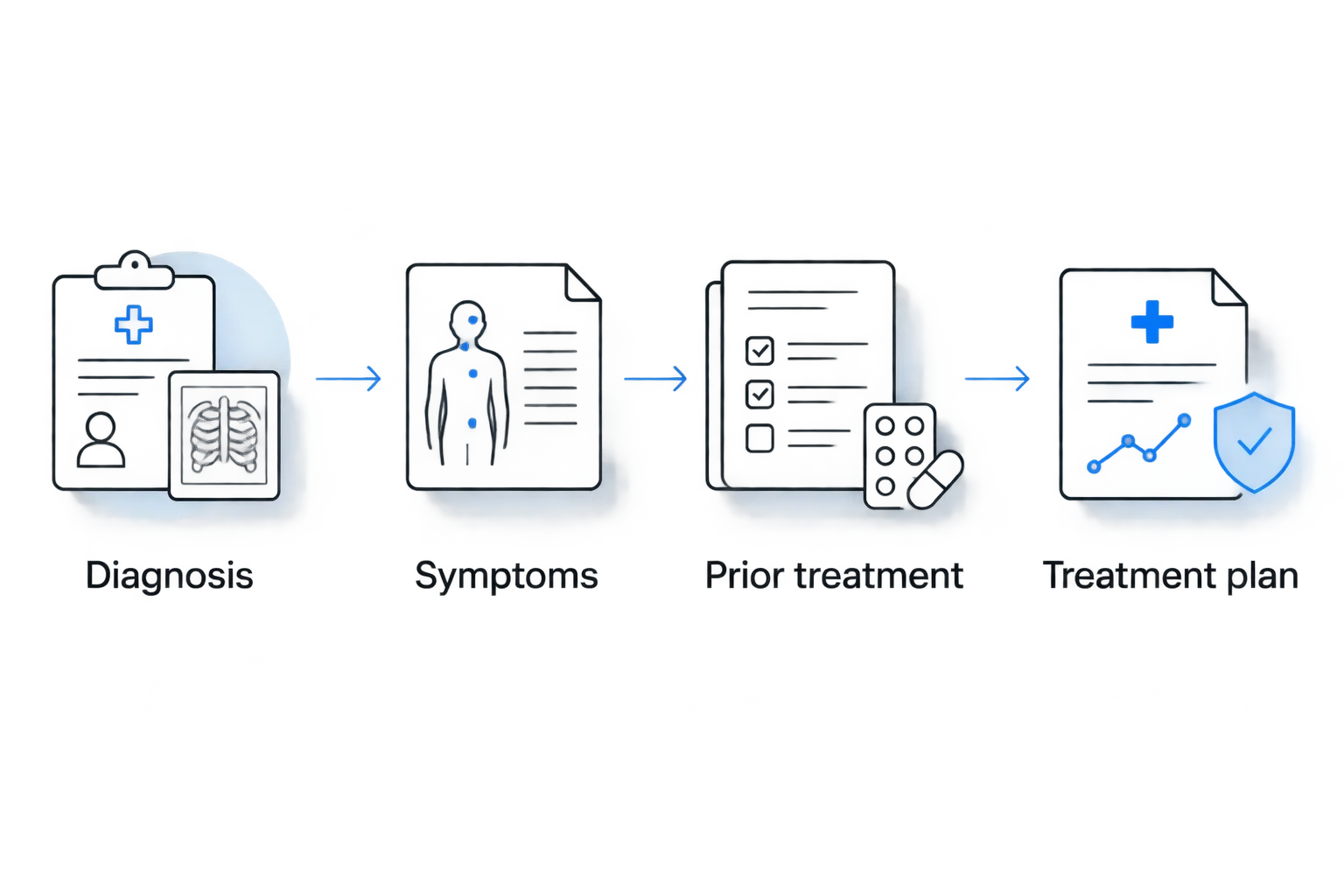
- Diagnosis: State whether you have gallstones, previous gallbladder inflammation, bile duct stones, or another confirmed condition. Include how the diagnosis was made.
- Symptoms: Describe where pain occurs, what brings it on, how long it lasts, and whether it comes with fever, vomiting, or jaundice.
- Prior treatment: Share relevant ultrasound reports, hospital discharge summaries, surgery records, and any history of pancreatitis.
- Treatment plan: Ask what needs checking before treatment, which symptoms require urgent care, and who to contact before another injection if pain develops.
The goal is not to collect testing for its own sake. Your clinician decides whether your history and examination call for an ultrasound, blood tests, specialist input, or another evaluation.
Ask for clear instructions about new symptoms before leaving the appointment. Knowing whether to call the prescribing office, obtain same-day assessment, or seek emergency care is more useful than a vague instruction to monitor yourself.
Find out if GLP-1 treatment may be right for you.
Start My Pre-AssessmentCan an online visit clear you to take tirzepatide?
An online clinician can review your history and determine whether further assessment is needed. Telehealth cannot perform an abdominal examination, an ultrasound, or urgent blood testing through a screen.
VEVArx best fits US adults seeking medically supervised weight loss online, not evaluation of acute abdominal pain. VEVArx offers doctor-prescribed weight-loss treatment through telehealth; that service does not replace emergency assessment for suspected gallbladder complications.
Questions about Mounjaro prescription requirements concern access to medication; gallbladder safety requires a separate clinical decision. A prescription requirement is not evidence that a particular person is medically eligible, and access rules in another country do not determine US prescribing decisions.
For a 2026 telehealth appointment, disclose abdominal symptoms before discussing convenience or treatment preferences. The benefit of remote care is access to a prescribing consultation; its limitation is the need to arrange local examination and testing when symptoms warrant them.
Does slower weight loss prevent gallbladder problems?
Slower weight loss does not guarantee protection against gallstones or gallbladder inflammation. Rapid weight loss is a recognized risk factor, but gallbladder disease has multiple causes and can occur without medication.
Avoid crash dieting or prolonged fasting to intensify medication-related weight loss. Discuss difficulty eating, repeated vomiting, or an unexpectedly rapid change in weight with your clinician rather than treating those changes as proof of success.
Your prescriber should guide dose changes according to the medication's instructions and your clinical response. Do not increase tirzepatide early or restart after a concerning pain episode without medical advice.
Should you switch medications after gallbladder pain?
Do not switch weight-loss medications on your own after unexplained abdominal pain. Finding the cause comes first; changing the prescription does not treat an obstructed bile duct or an inflamed gallbladder.
Your clinician can revisit treatment after the diagnosis and any necessary care. The decision depends on what happened, whether it resolved, and the expected benefits and risks of further medication.
A 2026 treatment plan should also distinguish a gallbladder event from confirmed pancreatitis. Those diagnoses have different implications, so keep discharge records and ask the treating clinician to communicate with your prescriber.
Have questions about your options? Start with a quick online assessment.
Start My Pre-AssessmentFAQ
Can I take tirzepatide if I have gallstones?
Gallstones are not an automatic contraindication to tirzepatide, but your prescriber must review your symptoms and history. Active pain or suspected complications requires evaluation before a routine treatment decision.
Can I take tirzepatide without a gallbladder?
Gallbladder removal alone is not a listed contraindication to tirzepatide. Your clinician still needs to assess recovery, ongoing symptoms, and any history of bile duct problems or pancreatitis.
Does tirzepatide cause gallbladder inflammation?
Gallbladder inflammation is a recognized risk in tirzepatide labeling. In pooled Zepbound weight-reduction trials, cholecystitis occurred in 0.7% of tirzepatide-treated participants versus 0.2% of placebo-treated participants.
How do I know whether stomach pain is a gallbladder problem or a side effect?
You cannot reliably identify the cause of significant abdominal pain at home. Severe or persistent pain, especially with fever, jaundice, or vomiting, needs urgent assessment rather than routine nausea management.
Should I take my next tirzepatide injection if I have upper-right abdominal pain?
Contact a clinician promptly before taking another dose when new upper-right abdominal pain raises concern for gallbladder disease. Seek urgent care for severe or persistent pain or accompanying fever, jaundice, or repeated vomiting.
Do I need an ultrasound before starting tirzepatide?
An ultrasound is not a universal requirement for everyone starting tirzepatide. Your clinician decides whether symptoms, examination findings, or your previous gallbladder history justify imaging or other testing.
Can VEVArx replace urgent care for a suspected gallbladder attack?
VEVArx telehealth weight-loss treatment does not replace urgent in-person assessment for a suspected gallbladder attack. Seek local medical care for severe or persistent abdominal pain rather than waiting for a routine online appointment.
One last thing
An ultrasound report that says gallstones does not answer whether tirzepatide is right for you. The decision also depends on symptoms, previous complications, and whether further care is needed.
Bring the report and a symptom history to your prescriber. This article provides general education, not personal medical clearance or instructions to start, stop, or restart a prescription.
Related guides
Ready to get started?
See if doctor-prescribed GLP-1 treatment may be right for you. It only takes a few minutes, 100% online.
Start My Pre-AssessmentThis article is for informational purposes only and is not medical advice. Compounded medications are not approved by the FDA and have not been reviewed for safety, effectiveness, or quality. Prescription products require an online consultation with a licensed healthcare provider who will determine if a prescription is appropriate. Individual results vary.